

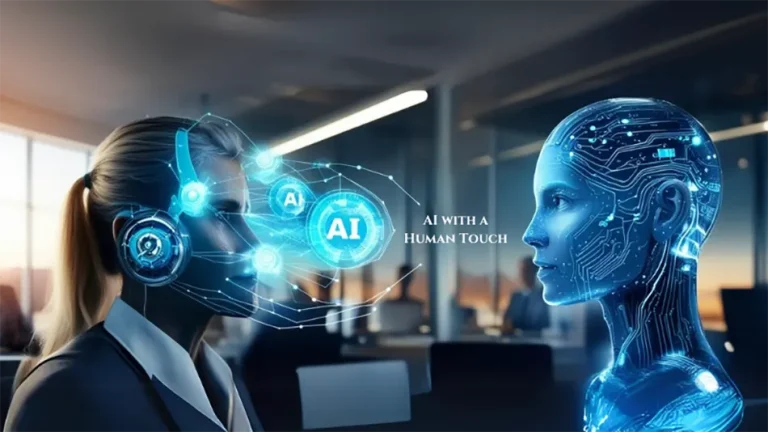
The 2026 outlook for call centres is defined by rapid AI adoption, with automation, conversational intelligence, and real-time analytics becoming standard across customer operations. AI-first agents will handle more complex tasks, while human agents shift to higher-value interactions supported by advanced training and real-time coaching tools. At the same time, security technologies like voice biometrics and deepfake detection will be essential as identity-based threats rise. With omnichannel and social messaging becoming core expectations, call centres in 2026 will function as agile, tech-driven CX hubs that blend efficiency, personalization, and trust at scale.
Key Takeaways
- AI-first contact centres will handle more complex interactions, blending automation with human oversight.
• Voice biometrics and deepfake detection will anchor new standards for trust and security.
• Omnichannel and social messaging will become core communication channels, not just add-ons.
• Agent experience and training will evolve through gamified, AI-assisted simulations that build long-term skill and engagement.
Introduction
The call centre industry is entering a new era in 2026 where AI, security, and customer expectations are changing everything from daily operations to long-term strategy. Global AI spending is projected to reach 2 trillion in 2026 as organizations move to enterprise-wide adoption. Nearly 80% of companies now use AI in some part of their organization which is a sharp jump from 2024.
The results are already showing. Conversational AI is expected to cut labor costs by $80 billion by 2026 while agents using AI tools can handle almost 14% more inquiries per hour. However, innovation will bring new responsibilities; 83% of CX leaders now rank data protection and cyber security as one of their highest priorities.

AI Agents and Automation Go Mainstream
One of the biggest changes in the 2026 outlook for call centres is the rise of AI-first voice agents. Chatbots once just handled basic FAQs, but today’s AI is doing so much more like resolving billing issues, processing refunds, and verifying identity. These systems are built on multi-agent AI frameworks which means bots can collaborate behind the scenes to solve more complex customer issues. This does not remove human agents from the picture, but instead provides real-time copilots to support them by delivering prompts, next-best actions, and compliance alerts.
Conversational AI and Real-Time Analytics Redefine Service
In 2026, conversational AI will move beyond scripted responses and basic automation. Smarter language models will be able to detect tone, sentiment, and customer frustration in real time to help create more natural and empathetic interactions. Conversational analytics, once considered a cutting-edge feature, is going to become a basic standard in contact centres. It helps supervisors to monitor live conversations, receive alerts on compliance risks, and guide agents during calls.
The Future of Agent Experience and Training
Automation growing only means the human side of service is more important than ever. In 2026, the agent experience (AX) will become a strategic differentiator. Leading call centres are adopting AI assisted training platforms that empower agents with real-time response suggestions and can simulate complex scenarios. In a recent study, 80% of employees said AI is helping them deliver higher quality work, underscoring how AI is elevating both efficiency and performance.
Security, Privacy, and Responsible AI
As cyber attacks increasingly exploit identity-based vulnerabilities, protecting customer interactions will be a top priority for contact centres. To stay ahead, contact centres are ramping up security across the board, with widespread adoption of:
- Voice biometrics to authenticate callers
• Deepfake and spoofing detection to stop identity-based fraud
• Zero-trust architecture for data management
• Responsible AI governance to ensure compliance and transparency
Omnichannel and Social Messaging Take Centre Stage
The next evolution in contact centre trends is true channel fluidity. By 2026, the lines between phone, chat, and social messaging will disappear. Social messaging will be the heart of customer engagement. Real-time social listening and sentiment analytics will allow brands to take a more proactive approach, and agents will have a new unified view of interactions across every platform which will provide context-rich experiences.
Evolving Contact Centre Technology Trends
The future contact centre technology landscape is defined by flexibility. Cloud-based systems are providing companies with instant scalability, while open APIs and modular tech stacks make it easier than ever to plug in new tools.
Key innovations to watch:
- Adaptive IVRs: Powered by NLP, adaptive IVRs are able to adjust based on caller intent, sentiment, and tone.
• Real-time speech analytics: Modern platforms can now identify emotional cues, stress levels, and compliance red flags mid conversation.
• Predictive engagement tools: Analyzing historical data and behavioral patterns allows these tools to anticipate customer needs before they even reach out.
Metrics Shift: From Cost Centre to Value Engine
Call centre success will be defined by value creation in 2026, not cost reduction. New metrics are emerging that reflect this broader view of success:
- Trust and safety scores: These measure how well teams prevent fraud, protect data, and maintain customer confidence.
• CX impact ratings: Impact ratings quantify emotional satisfaction and loyalty rather than transactional outcomes.
• Agent well-being metrics: These track engagement, empowerment, and mental health as drivers of service quality.
Final Outlook: Human Connection in the AI Era
The 2026 outlook for call centres is one that is driven by AI, powered by advanced analytics, and anchored in human empathy. Automation and intelligent agents will handle repetitive tasks so agents can focus on interactions that require emotional intelligence and deeper problem solving skills. Security and trust will be front and centre to ensure every interaction is safe and compliant. For contact centre leaders the challenge lies in balancing innovation with authenticity.